
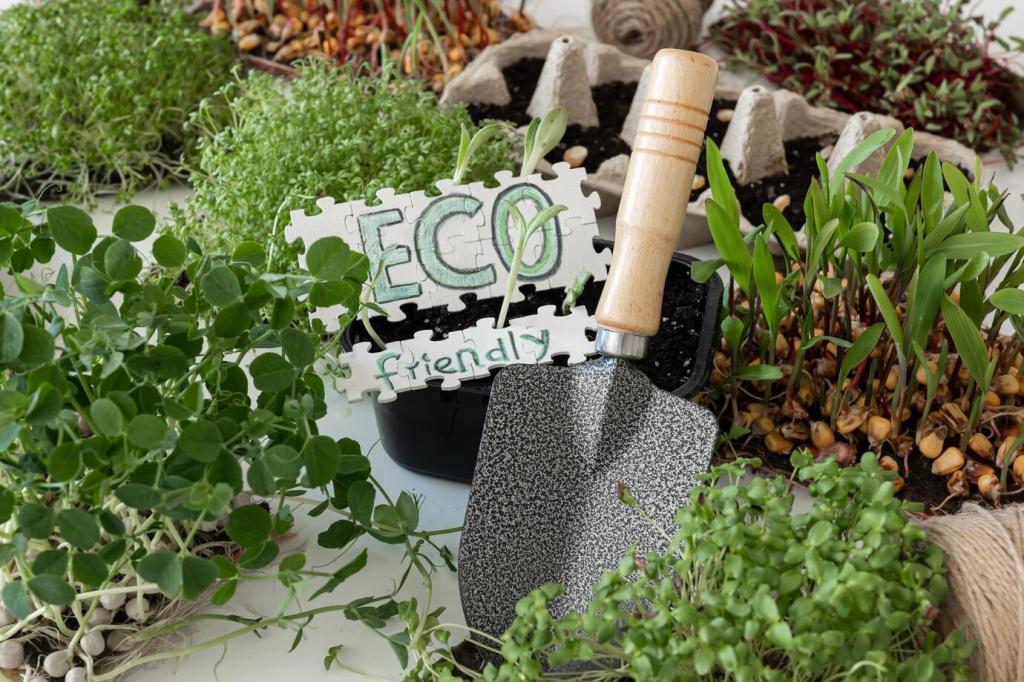
Sustainable Plants for Green Gardens
Chosen theme: Sustainable Plants for Green Gardens. Step into a living landscape where every leaf works harder—conserving water, nurturing wildlife, and bringing enduring beauty to your home. Let’s grow smarter, not just bigger.
Native plants evolved beside local wildlife and weather, so they naturally fit your soil, rainfall, and seasonal rhythms. Many support complex food webs; for example, native oaks can host hundreds of caterpillar species, feeding birds and strengthening ecological resilience.
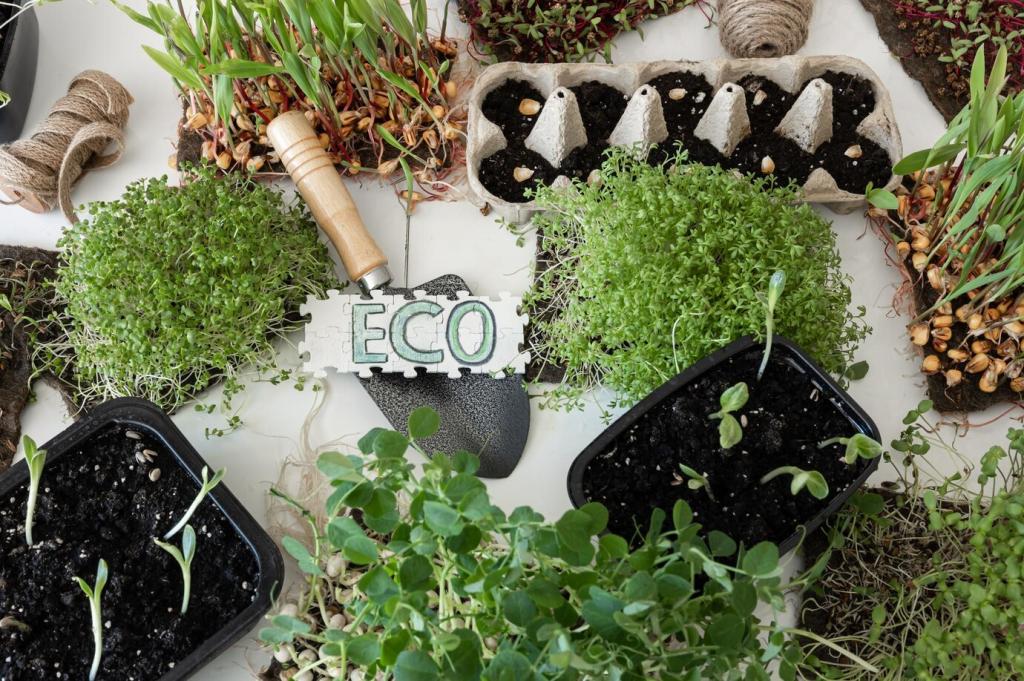
Water-Wise Design That Thrives Through Drought
Rain gardens that turn storms into strength
Swales and shallow basins planted with moisture-tolerant natives slow runoff, filter pollutants, and recharge soil moisture. After heavy rain, these areas brim with life, then gently drain, giving surrounding beds a steady reserve that keeps foliage lush between showers.
Mulch: simple, affordable moisture insurance
A two- to three-inch layer of shredded leaves, wood chips, or pine straw cools roots, suppresses weeds, and dramatically reduces evaporation. Over time, mulch breaks down into humus, improving soil structure so roots breathe better and plants need less supplemental watering.
Smart irrigation for minimal waste
Drip lines deliver water precisely to roots, avoiding leaf wetting and evaporation. Morning schedules curb fungal issues and reduce loss to midday heat. Pair with a rain sensor and moisture meter to water only when needed, not just by routine habit.
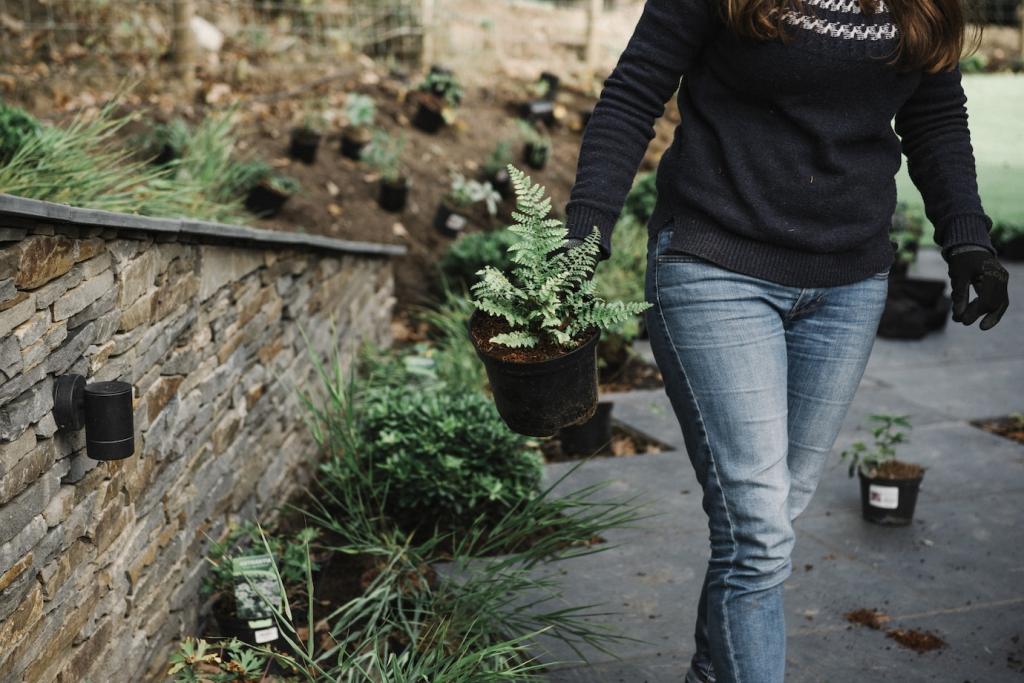
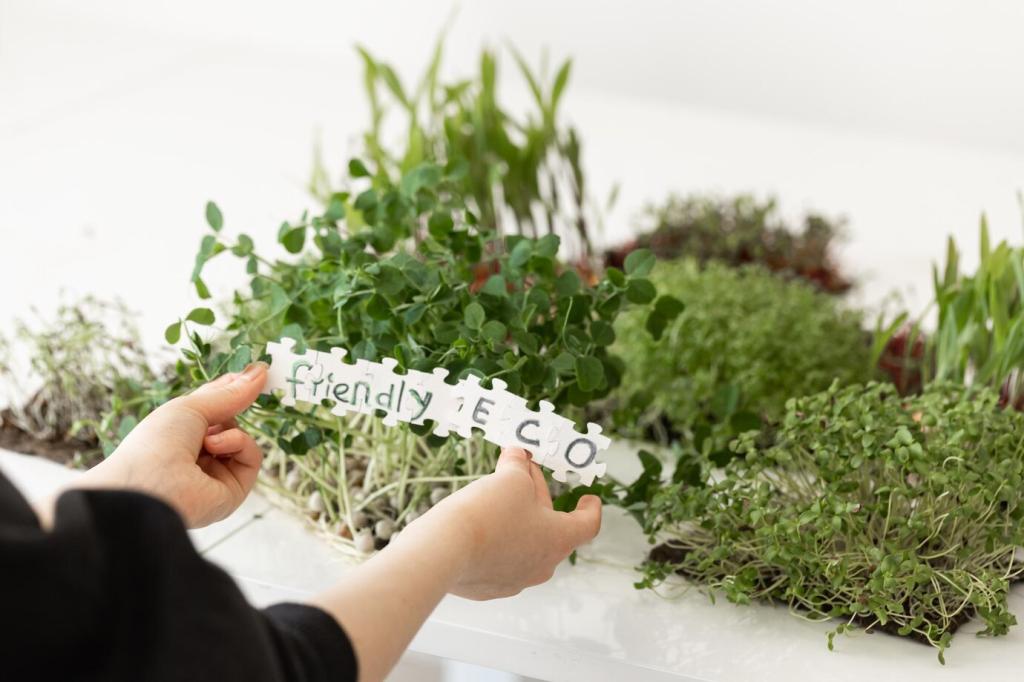
Feeding Life: Welcoming Pollinators and Wildlife
Stagger early, mid, and late-season flowers so pollinators always find a meal. Think spring ephemerals, summer powerhouses, and autumn asters. Consistency matters; a reliable buffet keeps local bee populations healthy through lean periods and unpredictable weather swings.
Feeding Life: Welcoming Pollinators and Wildlife
Butterflies need host plants for larvae as much as nectar for adults. Include milkweed for monarchs, dill for swallowtails, and bunch grasses for shelter. Leave small brush piles and stems over winter so beneficial insects safely overwinter in your garden.
Soil as a Living System
Kitchen scraps and yard trimmings become nutrient-rich compost that lightens clay, adds organic matter, and boosts microbial diversity. Even a small bin delivers big returns, letting you feed plants gently while replacing synthetic fertilizers with a homegrown, circular resource.
Soil as a Living System
Mycorrhizal networks extend root systems, improving water and nutrient uptake. Many sustainable plants—grasses, perennials, shrubs—thrive when these fungal allies are present. Minimize soil disturbance and avoid harsh chemicals to protect these hidden partnerships that power long-term plant health.
Fruit shrubs that earn their keep
Blueberries, currants, and gooseberries offer blossoms for pollinators, berries for the table, and fiery fall color. Once established, they sip water sparingly, rewarding careful mulching and thoughtful pruning with consistent harvests and habitat benefits for visiting wildlife.
Herb spirals and culinary natives
A spiral mound creates microclimates: dry at the top for rosemary, moist below for mint and parsley. Add native edibles like ramps or bee balm to strengthen ecological connections while seasoning your meals with flavors rooted in your region’s natural heritage.
Guilds that work like mini-ecosystems
Surround fruit trees with companions that fix nitrogen, attract pollinators, and deter pests. Comfrey mines nutrients, clover feeds soil, and alliums repel borers. Over time, the guild reduces chores while increasing resilience, biodiversity, and year-over-year yields with minimal intervention.
A Story from a Small Urban Plot
From concrete heat to living shade
A tenant replaced two patio slabs with a pocket bed of native grasses, penstemon, and yarrow. Within one summer, the space ran cooler, bees visited daily, and neighbors paused to chat, turning a hot corner into a shared, life-giving microhabitat.
Lessons learned the slow, rewarding way
They mulched deeply, watered only at dawn, and left stems standing through winter. By spring, lady beetles emerged from hollow stalks, aphids dwindled naturally, and the soil smelled rich—proof that patience, not pesticides, can steer a garden toward lasting balance.
Join the conversation and grow with us
What sustainable plants have transformed your space? Share a photo, subscribe for seasonal plant lists, and tell us which topics you want next. Your stories help new gardeners find courage to start—and keep the conversation rooted in real, lived experience.