Biodiversity in Eco-Friendly Landscapes: Where Backyards Become Living Ecosystems
Today’s chosen theme: Biodiversity in Eco-Friendly Landscapes. Step into practical ideas, field-tested stories, and joyful habits that invite more species to share your space, from soil microbes to songbirds. Subscribe for seasonal checklists, and tell us what you are growing toward next.
Why Biodiversity Belongs in Every Eco-Friendly Landscape
A diverse garden spreads risk. If one nectar source fails, another blooms. If a pest arrives, predators and parasitoids follow. Redundancy in species and functions keeps your eco-friendly landscape steady when weather swings and new challenges roll through.
Why Biodiversity Belongs in Every Eco-Friendly Landscape
Bees, butterflies, moths, beetles, and even hoverflies pollinate flowers and help regulate pests. Mixed plantings create continuous forage and nesting resources. By growing layered, pesticide-free habitat, you host the workforce that keeps fruit set strong and ecosystems humming.
Design Principles for Biodiverse, Low-Impact Gardens
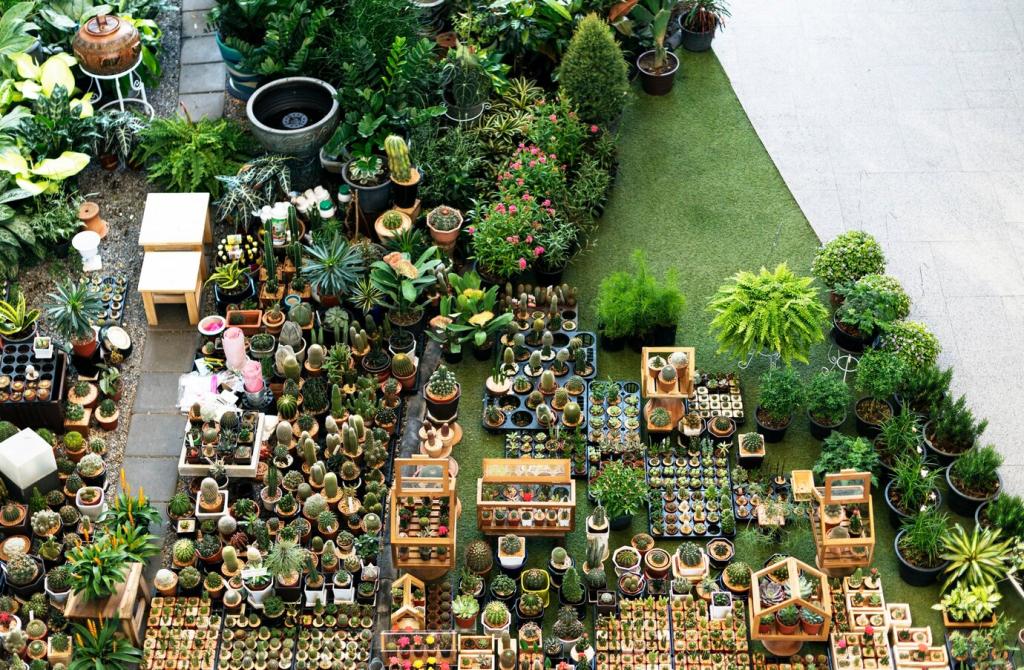
Stack canopy, understory, shrub, herbaceous, and groundcover layers above a lively root zone. Each stratum offers different light, moisture, and shelter. Layering multiplies niches, boosts biodiversity, and turns a flat yard into a dynamic, resilient living structure.
Design Principles for Biodiverse, Low-Impact Gardens
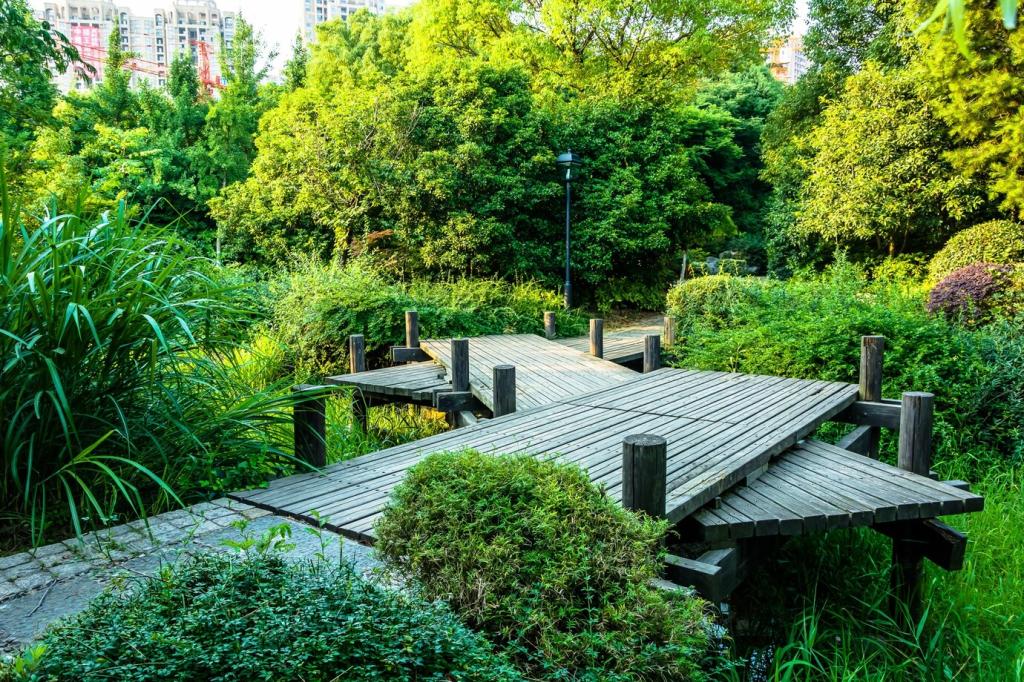
Wildlife move through linked habitats. Hedges, native borders, and flowering fence lines connect safe routes between yards and parks. Even small gaps bridged by shrubs matter. Map your landscape, identify bottlenecks, and plant corridors that guide creatures safely across everyday obstacles.
Matchmaking Plants and Place
Start with your site’s sunlight, drainage, and soil texture. Dry shade differs wildly from sunny clay. Match natives to microclimates to reduce watering, eliminate fertilizers, and support specialists adapted to exactly what your eco-friendly landscape naturally offers.
Keystone Species Spotlight
In many regions, oaks, willows, native grasses, asters, and goldenrods support wide webs of insects and birds. These keystone plants host larvae, provide nectar, and structure habitat. Include them early to anchor biodiversity and amplify every other planting decision you make.
Reader Challenge: Your First Five Natives
Pick five native species for different layers and seasons. Plant them this month, record your first pollinator visit, and share a photo. Subscribe for our regional plant guides and seed starting tips to keep your momentum growing through the year.
Water-Wise Strategies That Invite More Life
A shallow basin planted with deep-rooted natives captures roof runoff, reducing flooding and filtering pollutants. Iris, sedges, and rushes handle wet spells, while edges host pollinators. Rain gardens transform storms into resources and become lively centers for birds and beneficial insects.
Water-Wise Strategies That Invite More Life
Gentle, vegetated swales guide water across contours rather than rushing it away. Slower flow means infiltration, quieter soil life, and fewer erosive events. Combine mulch, stones, and resilient plants to create beautiful, functional ribbons that stitch your eco-friendly landscape together.
Shelter, Food, and Safe Passage for Urban Wildlife
Leave a tidy log pile, snag, or stump when safe. Deadwood nurtures fungi, beetles, solitary bees, and cavity nesters. As the wood softens, it becomes a buffet and nursery, quietly powering nutrient cycles and strengthening your garden’s ecological heartbeat.
Community, Science, and Storytelling
Join a Citizen-Science Project
Log observations with platforms like iNaturalist or eBird to turn backyard moments into real data. Your records help map species shifts, guide restoration priorities, and celebrate recovery. Invite a friend to join, and compare sightings between your two landscapes.
Block-by-Block Pollinator Pathways
Coordinate with neighbors to plant continuous nectar streets. Choose overlapping bloom times, avoid pesticides, and share native seeds. A handful of yards can connect green spaces into corridors that butterflies and bees recognize, transforming a neighborhood into a living network.
Share Your Story, Grow the Movement
Post a before and after, list three species you saw, and tell us what surprised you. Personal stories spark curiosity and courage. Comment, subscribe, and keep reporting back as your eco-friendly landscape evolves through seasons and discoveries.